

Is stress constraining your daily life and stealing your peace of mind? A full body massage might just be the sanctuary you’re seeking. Delve into the intricacies of this calming ritual, which extends comfort from the neck to the toes, using well-versed techniques like Swedish and deep tissue massage. Discover how such treatments don’t just soothe tired muscles but also serve as a gateway to wellness, offering improvements in physical and mental health. So, let us explore how a skilled therapist’s touch can transform well-being, invigorating both body and spirit.
Understanding Full Body Massage
A full body massage typically encompasses an extensive range of areas to promote comprehensive relaxation and wellness. The process involves methodical attention to various parts of the body, including the neck, back, shoulders, legs, feet, head, and arms. These sessions generally last between 50 to 90 minutes, allowing sufficient time to address each area effectively. By targeting these regions, a full body massage can alleviate tension, improve circulation, and enhance overall well-being. Clients often experience a heightened sense of relaxation as the massage progresses through each section of the body.
The techniques employed in full body massages are pivotal in achieving the desired therapeutic outcomes. Swedish massage is renowned for its gentle, relaxing strokes, which are ideal for those seeking stress relief and a soothing experience. Conversely, deep tissue massage focuses on deeper muscle layers and is particularly beneficial for individuals requiring tension relief from chronic pain or stiffness. Both techniques are essential components of a full body massage and can be tailored to meet individual preferences and needs. This personalised approach ensures that clients receive the most effective treatment possible, catering to both relaxation and specific therapeutic goals.
- Neck
- Back
- Shoulders
- Legs
- Feet
Benefits of Full Body Massage
Opting for a full body massage Glasgow treatment delivers a wide range of physical benefits, primarily by boosting circulation and easing muscle tension. Enhanced blood flow improves the delivery of oxygen and nutrients to muscles and vital organs, accelerating recovery and supporting overall health. The targeted pressure and flowing techniques used throughout the session help release stiffness and soothe sore muscle fibres—particularly valuable for individuals who train regularly or are recovering from injury.
Another core advantage of full body massage is its ability to relieve persistent muscle tension, improving both comfort and mobility. By focusing on key muscle groups, this therapy helps reduce chronic pain, enhance flexibility, and expand range of motion. The decrease in muscular tightness supports better posture and lowers the likelihood of strain or injury, making it an essential component of a comprehensive wellness routine.
The mental health benefits are equally significant. Full body massage effectively reduces cortisol levels, helping to alleviate stress and promote mental clarity. At the same time, the treatment encourages the release of serotonin, which plays a vital role in easing anxiety and improving mood. This combination of deep relaxation and emotional balance makes massage a powerful therapeutic tool for managing mental well-being.
In addition to physical and psychological advantages, full body massage contributes positively to skin health and overall vitality. Increased circulation enhances skin tone, giving it a natural, healthy glow, while the manipulation of soft tissues improves flexibility by loosening tight muscles and supporting joint mobility. Together, these effects create a sustained sense of rejuvenation that benefits the entire body.
| Benefit | Description |
|---|---|
| Improved Circulation | Enhances nutrient and oxygen delivery to muscles and organs. |
| Muscle Tension Relief | Eases discomfort, improving mobility and posture. |
| Stress Reduction | Lowers cortisol levels, promoting mental clarity and calm. |
| Anxiety and Depression Relief | Boosts serotonin, alleviating mental health symptoms. |
| Enhanced Skin Appearance | Increases blood flow, leading to a healthy glow. |
| Increased Flexibility | Loosens muscles, enhancing joint mobility and reducing injury risk. |
Comparing Popular Massage Techniques
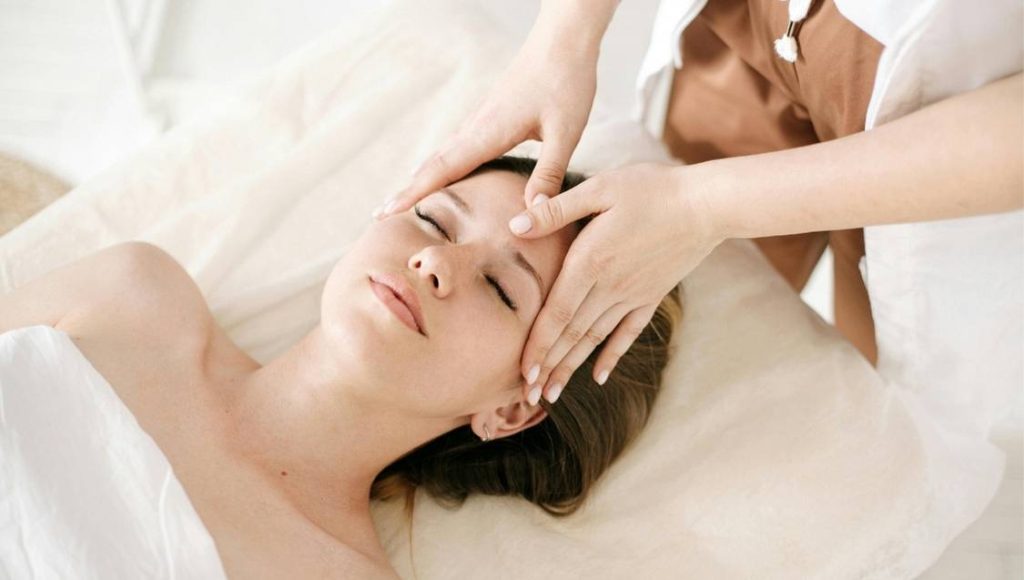
Swedish massage is a widely recognised method known for its gentle, flowing strokes that promote relaxation and stress reduction. This technique primarily uses long, gliding strokes, kneading, and circular movements on the superficial layers of muscles, facilitating improved circulation and relaxation. Swedish massage is particularly beneficial for individuals seeking a calming experience to relieve stress and tension. It supports overall well-being by enhancing blood flow, reducing muscle toxins, and improving flexibility and mood, making it ideal for those new to massage therapy or in need of a soothing touch.
Deep tissue massage, in contrast, is designed to target the deeper layers of muscle tissue and fascia. It employs more intense pressure and slow, deliberate strokes to reach beneath the surface muscles, addressing chronic pain, stiffness, and muscle tension. This technique is particularly effective for individuals suffering from sustained tension, sports injuries, or postural problems, as it helps break up scar tissue and relieve muscle knots. Deep tissue massage is ideal for those who require focused therapy on specific areas, offering relief from pain and increased mobility.
Thai massage differs markedly from Western techniques by incorporating yoga-like stretches and acupressure. It combines elements of traditional healing practices with stretches that enhance flexibility and energy flow throughout the body. Unlike the other methods, Thai massage is performed on a mat on the floor, and clients remain fully clothed. This approach promotes joint mobility, muscle relaxation, and energy balance, aiming to restore harmony and well-being. It is particularly beneficial for those seeking an active form of relaxation and a boost in physical vitality.
- Swedish massage uses gentle, flowing strokes, while deep tissue employs intense pressure.
- Swedish focuses on surface muscles; deep tissue targets deeper layers.
- Swedish promotes relaxation; deep tissue relieves chronic pain and stiffness.
- Swedish improves overall mood and flexibility; deep tissue enhances mobility and addresses specific issues.
Finding Professional Massage Services
Locating professional massage services can be straightforward, given the variety of facilities offering these treatments. Spas are a common choice, known for their relaxing environments and range of services. Wellness centres also provide massage therapies, often with a focus on holistic health practices tailored to individual wellness goals. Additionally, fitness facilities might offer massage services as part of a broader health and fitness programme, catering to those seeking recovery and relaxation after exercise. Each type of facility provides unique benefits, allowing clients to choose based on their specific preferences and needs.
When it comes to booking a massage, there are several convenient options available. Many establishments offer online booking systems, providing a hassle-free method to schedule appointments. Alternatively, clients can choose to make reservations via phone, allowing for direct communication with the facility to discuss specific requirements or preferences. Pricing for professional massage services generally ranges from $60 to $150, influenced by factors such as location, duration, and the reputation of the therapist or facility. It’s advisable to consider these aspects when making a choice to ensure a satisfying and value-driven experience.
- Check credentials and certifications of the therapist.
- Read reviews and testimonials from previous clients.
- Consider the therapist’s experience in specific massage techniques.
Preparing for a Full Body Massage
Preparing for a full body massage involves several key steps to ensure a beneficial and relaxing experience. Clients should wear loose, comfortable clothing to allow easy changing and movement. It is also essential to communicate any health concerns or specific preferences with the therapist before the session begins. This dialogue helps tailor the massage to individual needs, enhancing the therapeutic benefits. If uncertain about what aspects to share, consider discussing any injuries, areas of discomfort, or desired pressure levels.
Adhering to proper massage etiquette ensures a respectful and smooth experience. Arriving on time is crucial, as it allows for a relaxed start and maximises the session’s duration, typically lasting between 60 to 90 minutes. Respect for personal boundaries is also important; therapists are trained professionals who will guide clients on what to expect and how to position themselves comfortably. During the massage, clients should feel free to communicate any discomfort or adjustments needed to ensure the session is as enjoyable as possible.
- Communicate health concerns or preferences beforehand.
- Wear loose, comfortable clothing.
- Arrive on time to maximise session benefits.
Exploring Affordable Massage Options
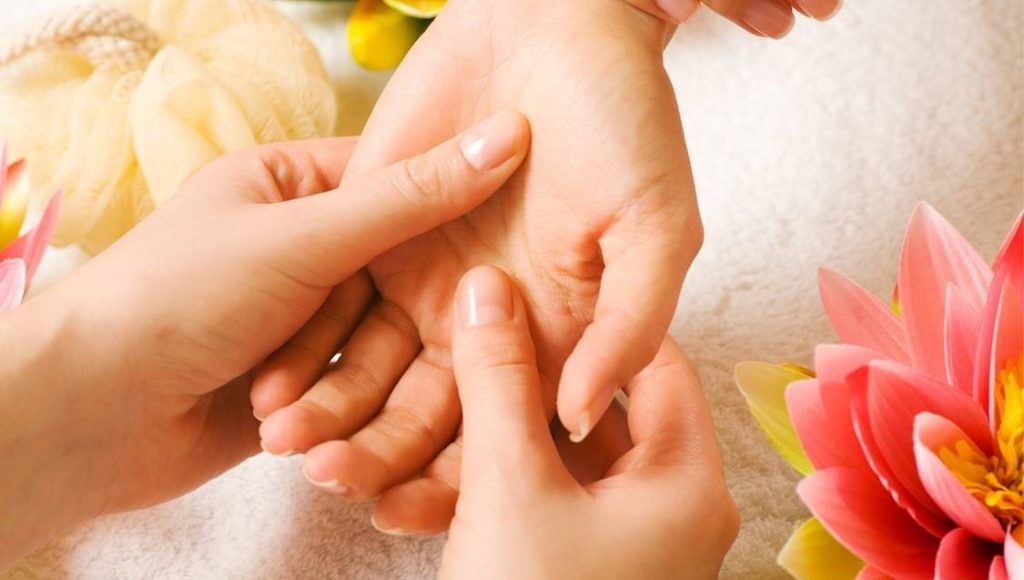
Full body massages typically range from $60 to $150, varying based on factors such as location, the reputation of the spa or therapist, and session duration. Urban areas generally see higher prices, whereas smaller towns may offer more competitive rates. Comparing prices across different venues can help find options that fit within one’s budget without compromising on quality.
Many spas and wellness centres offer package deals and membership options, which can significantly reduce the cost per session for regular clients. These packages may include multiple sessions at a discounted rate or provide additional benefits such as complimentary upgrades or access to exclusive facilities. Memberships often come with perks like priority booking and special promotions, making them an attractive option for those who plan to receive massages regularly.
Finding discounts and special offers is another effective way to lower the cost of massages. Checking for seasonal promotions, introductory offers for new clients, or off-peak discounts can lead to significant savings. Additionally, subscribing to newsletters or following favourite spas on social media can provide updates on exclusive deals and flash sales.
- Compare prices from different spas and wellness centres.
- Look for package deals and memberships.
- Check for seasonal or introductory offers.
- Follow spas on social media for exclusive discounts.
Final Words
Delving into the intricacies of a full body massage reveals its comprehensive coverage—from neck to feet—using techniques like Swedish and deep tissue to promote relaxation and muscle relief. Exploring its benefits highlights improvements in circulation, reduction in muscle tension, stress alleviation, and enhanced skin appearance.
Comparing various techniques offers clarity on the tailored experiences each provides, while finding professional services ensures qualified care. Preparing for sessions enhances comfort and maximises benefits.
Affordable options make regular treatments more accessible. Embracing a full body massage fosters physical and mental well-being, inviting a rejuvenated and more balanced life.

James focuses on global climate policies, advocating for sustainable solutions and environmental resilience.

