
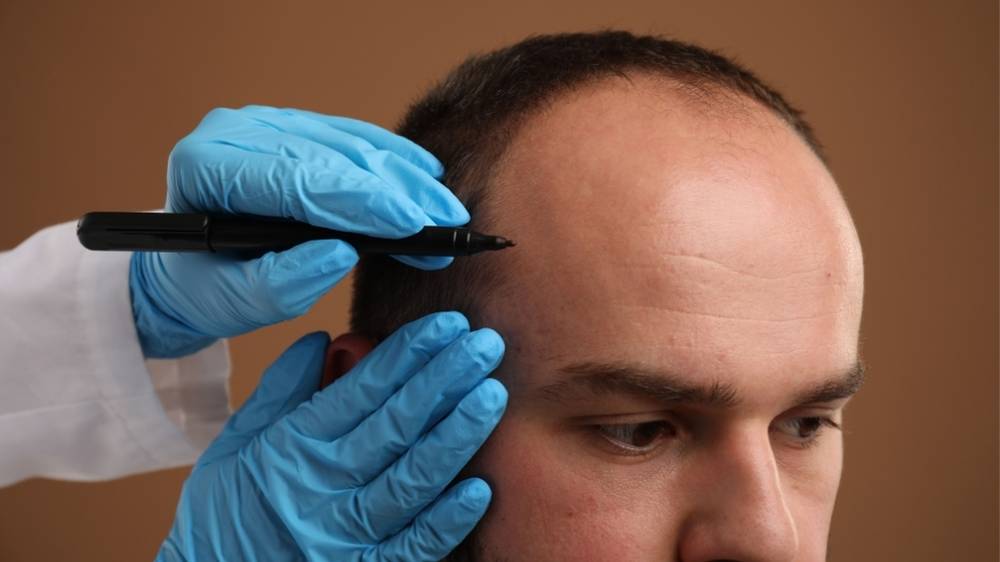
For many people across Scotland, hair loss is more than just a change in appearance; it is a shift in how they feel about themselves every time they catch a glimpse in the mirror. Whether it is a receding hairline that seems to creep back further each year or thinning at the crown that makes you feel older than your years, the impact on self-confidence is real. Fortunately, the options for addressing this have evolved significantly. If you have been looking into a glasgow hair transplant, you are likely discovering that you do not need to travel to London or abroad to find world-class expertise and life-changing results.
Glasgow has established itself as a premier destination for hair restoration, blending medical excellence with a patient-centred approach. The city is home to clinics that utilise the latest technology and surgical methods, making the dream of a fuller head of hair a practical reality. However, the journey begins long before you step into a surgery suite. It starts with understanding what the process involves, why certain techniques are preferred, and how to choose a team that prioritises your long-term hair health over a quick fix.
Why modern techniques have changed the game
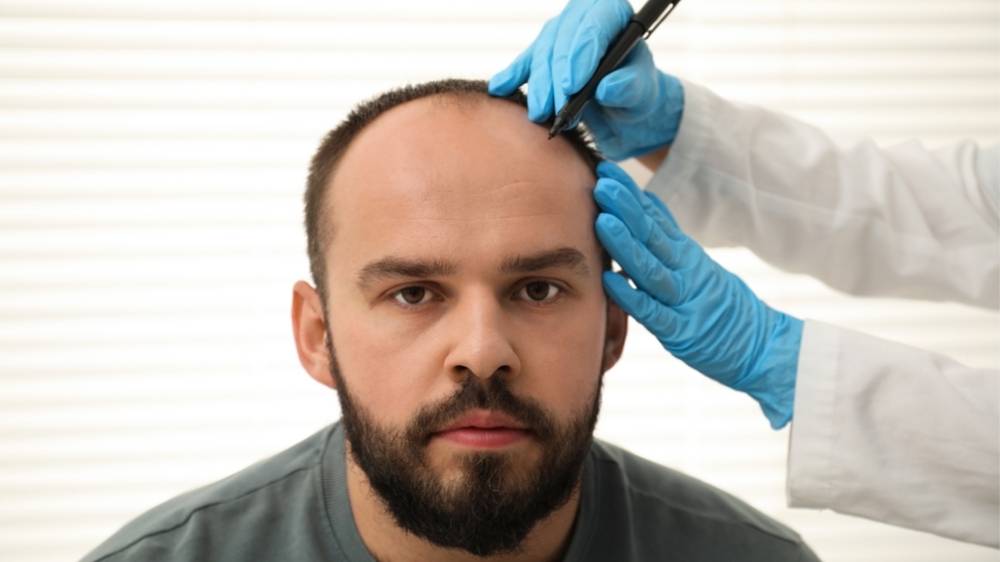
In the past, the idea of a hair transplant often conjured up images of ‘plugs’ or unnatural-looking hairlines that were easy to spot. Thankfully, those days are long gone. Modern hair restoration is an art form as much as it is a medical procedure. The goal today is total discretion; the best transplant is one that no one even knows you have had.
The primary method used in top-tier clinics today is Follicular Unit Extraction (FUE). This technique involves the meticulous extraction of individual hair follicles from a ‘donor area’—usually the back or sides of the head where hair is genetically programmed to keep growing—and transplanting them into the thinning areas. Because each graft is handled individually, the surgeon can control the angle, depth, and direction of the hair growth, mimicking your natural patterns perfectly.
The benefits of choosing FUE
- Minimal scarring: Unlike older methods that left a long linear scar, FUE leaves tiny, dot-like scars that are virtually invisible, even with short haircuts.
- Faster recovery: Most patients find they can return to their normal routine and even light exercise much quicker than with traditional surgery.
- Natural results: By placing individual units, surgeons can create a soft, natural hairline that looks age-appropriate and authentic.
- Local anaesthetic: The procedure is typically performed under local anaesthetic, meaning you are awake and comfortable throughout the day.
Why staying local for your Glasgow hair transplant matters
While ‘medical tourism’ has become a popular topic, there are significant advantages to choosing a local specialist for your hair restoration. A hair transplant is not a one-off transaction; it is a medical journey that requires careful pre-operative planning and, perhaps more importantly, dedicated aftercare. When you opt for a glasgow hair transplant, you are ensuring that your surgeon is accessible for every step of that journey.
Proximity allows for face-to-face consultations where the surgeon can physically examine your scalp, assess your donor hair density, and discuss your expectations in detail. Furthermore, if you have any questions during the healing process, your clinic is just a short drive or train journey away. This peace of mind is invaluable when you are investing in your appearance and health. Local clinics also understand the specific needs of their patients and are regulated by UK health standards, ensuring a level of safety and accountability that you might not find elsewhere.
Preparing for your consultation and what to ask
The consultation is arguably the most important part of the entire process. It is the moment where your goals meet medical reality. A reputable surgeon will be honest with you about what can be achieved based on your current hair loss and the quality of your donor hair. They should not just be selling you a procedure; they should be creating a long-term plan for your hair.
During your visit to a clinic, consider asking the following questions to ensure you are in the right hands:
- How many procedures of this type do you perform annually?
- Can I see a portfolio of before-and-after photos of patients with similar hair types to mine?
- Who exactly will be performing the graft extractions and the site creations?
- What is the long-term plan if my native hair continues to thin around the transplanted area?
- What does the aftercare programme look like, and who do I contact in an emergency?
A good surgeon will take the time to explain the physiology of hair loss and might even suggest non-surgical treatments, such as specialised medications or therapies, to stabilse your hair loss before proceeding with surgery. This holistic approach is a hallmark of a high-quality centre.
The road to recovery and seeing your new results
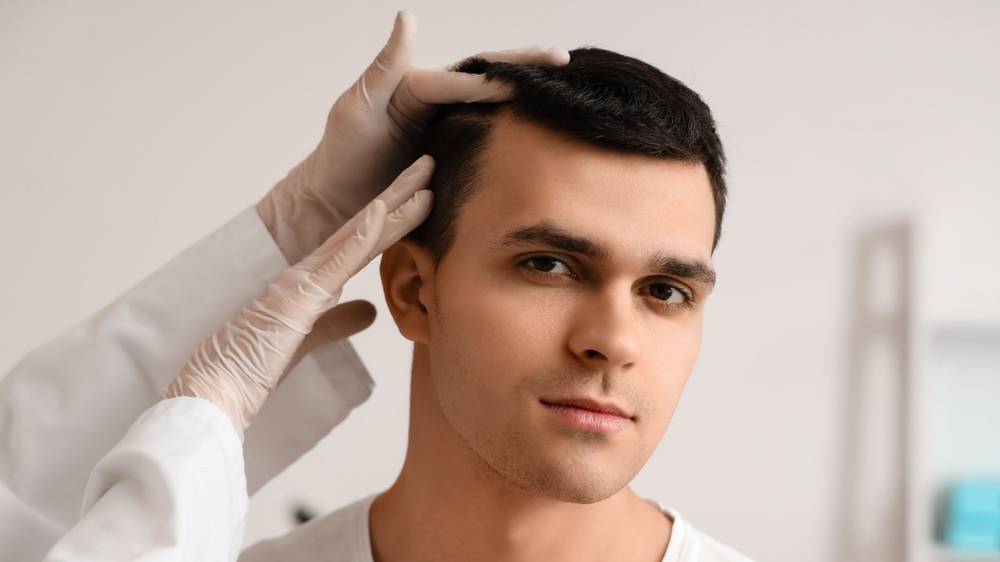
Patience is a requirement when it comes to hair restoration. It is important to realise that you won’t walk out of the clinic with a full head of hair on day one. In fact, there is a specific timeline that most patients follow. Immediately after the procedure, the transplanted area will need to be treated with care. You will likely be given a specialised washing routine and instructions on how to sleep to protect the new grafts.
Within a few weeks, many of the transplanted hairs will actually shed. This is a completely normal part of the process known as ‘shock loss.’ The follicles themselves remain healthy and dormant under the skin, preparing to grow new, permanent hair. Around the three to four-month mark, you will start to see fine new hairs emerging. By six months, the change is usually quite noticeable, and the final, full results are typically seen between twelve and eighteen months after the procedure.
Managing the recovery involves a few simple lifestyle adjustments in the first week:
- Avoiding direct sunlight on the scalp to protect the sensitive skin.
- Refraining from strenuous exercise that could increase blood pressure to the head.
- Following the clinic’s spray and wash routine to keep the area clean and hydrated.
- Avoiding wearing tight hats or helmets that could dislodge the grafts.
Managing expectations for the long term
A hair transplant is a permanent solution for the area where the hair is placed, but it does not stop the natural ageing process or the progression of male pattern baldness in other areas of the scalp. This is why the design of the hairline is so critical. A skilled surgeon in Glasgow will design a hairline that looks just as good when you are sixty as it does when you are thirty. They take into account future hair loss patterns to ensure that the result remains seamless and natural as you age.
Choosing to undergo a hair transplant is a significant decision, but for many, it is the best investment they ever make in themselves. The boost in confidence often translates into other areas of life, from social interactions to professional settings. By focusing on quality, choosing a local expert, and understanding the science behind the surgery, you can ensure that your experience is positive and the results are everything you hoped for. The thriving medical community in Glasgow provides the perfect environment to begin this transformation, offering a blend of Scottish hospitality and clinical excellence that is hard to beat.

James focuses on global climate policies, advocating for sustainable solutions and environmental resilience.

